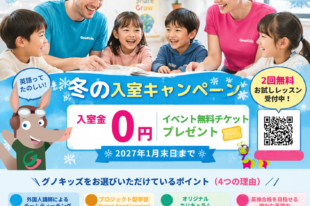


0才からはじめられる!
英会話グノキッズ
グノキッズの講師は子どもたちに合わせた挑戦的で達成可能な課題を与えます。子どもたちは達成から得る「ポジティブ体験」が「自信」となり、講師はこのプロセスを大切にして指導しています。
英会話スキルに自信を持ち、視野を広げ、世界中の人々とコミュニケーションをとり、グローバル志向のもとあらゆることに挑戦してもらいたい!これを可能にする英会話教室です。

ブログ・お知らせ



Eagles Project3 After talk
Project 3 “After talk”
- Lesson 1:In addition to learning how to talk about where people are from,
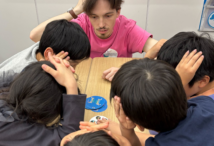
- In addition to learning how to talk about where people are from, Eagles also used phrases like “I want to go to Argentina.” and “He wants to go to Iceland.” to talk about where they and others want to visit. They practiced these phrases with a sorting relay race, matching people with the places they want to go.
For their additional project work, Eagles chose a second country for their guidebooks, which they’ll be comparing with their first country throughout the project.
人々がどこの国出身かをお話しするだけでなく、イーグルスクラス(Eagles)の子どもたちは、”I want to go to Argentina.”(私はアルゼンチンに行きたいです) や “He wants to go to Iceland.”(彼はアイスランドに行きたいと思っています) といったフレーズを使って、自分や他の人が訪れてみたい国について話す練習もしました。
レッスンでは、人物とそれぞれの行きたい場所を正しく一致させる「仕分けリレー競争(ソート・リレー)」を行い、みんなで楽しくこれらのフレーズを練習しました。
また、追加のプロジェクトワークとして、子どもたちはガイドブック用にもう1つ別の国を選びました。このプロジェクトを通じて、最初のお気に入りの国と、今回新しく選んだ2カ国目を色々な視点から比較していく予定です。 - Lesson 2:Eagles learned some additional adjectives and practiced using comparatives.
- Eagles learned some additional adjectives and practiced using comparatives. We practiced both “-er than” and “more … than”, making sentences like “Morocco is drier than Egypt.” and “India is more crowded than Iceland.”
For their project work, Eagles also compared their two chosen countries, choosing and writing comparative sentences in their guidebooks.イーグルスクラス(Eagles)の子どもたちは、新しい形容詞をいくつか学び、それらを使って「比較級(2つのものを比べる表現)」の練習をしました。
今回は、”-er than”(〜よりも〜だ) と “more … than”(〜よりももっと〜だ) の両方のパターンに挑戦しました。レッスンでは、”Morocco is drier than Egypt.”(モロッコはエジプトよりも乾燥しています) や、”India is more crowded than Iceland.”(インドはアイスランドよりも混雑しています/人口密度が高いです) といった少し高度な文章作りに取り組みました。
プロジェクトワークでは、各自が選んだ2つの国を実際に比較してみました。子どもたちは自分で比較級の文章を選び、ガイドブックに上手に書き込むことができました! - Lesson 3:In Eagles practised using quantifiers along with the foods
- In Eagles practised using quantifiers along with the foods to give more detail in their sentences. For example: ‘In Japan, some people eat cereal.’ We used this to add two sentences to their guidebooks about what they think people eat or don’t eat in their chosen countries.
イーグルスクラス(Eagles)の子どもたちは、食べ物の単語と一緒に「数量を表す言葉(quantifiers:some や many など)」を使って、文章をより詳しく説明する練習をしました。
レッスンでは、”In Japan, some people eat cereal.”(日本では、一部の人たちがシリアルを食べます) といったフレーズに挑戦しています。プロジェクトワークでは、この表現を活かして、自分が選んだ国の人々が「どんなものを食べていそうか(あるいは食べていなさそうか)」を想像しながら、ガイドブックに2つの文章を書き加えました。 - Lesson 4:Eagles continued to add more complexity to their sentences
- Eagles continued to add more complexity to their sentences using adjectives with the geographical features. For example, “In The United States, there are many wide rivers.” So they also got to review last lesson’s quantifiers too!
イーグルスクラス(Eagles)の子どもたちは、地形・自然の単語に形容詞を組み合わせることで、文章をさらに一歩レベルアップ(複雑に)させる練習に取り組みました。
レッスンでは、”In The United States, there are many wide rivers.”(アメリカには、たくさんの幅の広い川があります) といったフレーズに挑戦しています。これによって、前回のレッスンで学んだ「数量を表す言葉(many や some など)」も同時にしっかりと復習することができました! - Lesson 5:This week, as well as three extra activities,
- This week, as well as three extra activities, students practised using “can”, “might”, and “should”. Then we used these to add sentences to their guidebooks like: “In Brazil, you should go to the beach,” or “In Egypt, you might go scuba diving.’
今週は、3つの新しいアクティビティの表現を学ぶとともに、”can”(〜できる)、”might”(〜するかもしれない)、”should”(〜すべき/〜するのがおすすめ) という助動詞の使い分けを練習しました。
そして、これらの言葉を活かして、”In Brazil, you should go to the beach.”(ブラジルでは、ビーチに行くのがおすすめです) や “In Egypt, you might go scuba diving.”(エジプトでは、スキューバダイビングをするかもしれません) といった文章をガイドブックに書き加えました。 - Lesson 6:For the extra Eagles vocabulary this week,
- For the extra Eagles vocabulary this week, we added words with more difficult plural forms like “foxes”, “wolves” and “bison”. After that, we used the word “might” to talk about what you might see in the countries. Like, “In Brazil, you might see cobras.”
今週のイーグルスクラス(Eagles)の応用(追加)ボキャブラリーでは、”foxes”(キツネの複数形)、”wolves”(オオカミの複数形)、”bison”(バイソンの単複同形) といった、少し難しい不規則な変化をする複数形の単語に挑戦しました。
そのあと、以前に習った “might”(〜するかもしれない/〜に出会うかもしれない) という言葉を使って、それぞれの国でどんな動物を見ることができるかについてお話ししました。レッスンでは、”In Brazil, you might see cobras.”(ブラジルでは、コブラに遭遇するかもしれません) といったユニークな文章作りに取り組みました。 - Lesson 7:Lesson 7 was our review lesson. We went through all
- Lesson 7 was our review lesson. We went through all of the phrases and vocabulary from the project! We reviewed by playing a game called “Danger Circle” where students have to draw a card and hope it doesn’t match one of the three cards already in the middle!
We also finished up our guidebooks and practised reading them.
Today was also the final ondoku check for the project. Well done everyone! And great job to all the students who could pass the step they were aiming for!レッスン7は、これまでの振り返り(復習)のレッスンでした。このプロジェクトで学んだ(比較級や助動詞を含む)すべての高度なフレーズや単語を、みんなで一緒におさらいしました!
復習の時間には「デンジャー・サークル(Danger Circle)」というゲームを行いました。ボックスからカードを1枚引き、それがすでに中央に置かれている3枚のカードと「一致しないこと」を祈るハラハラドキドキのゲームで、みんなで大盛り上がりしながらフレーズを練習しました。
また、2つの国をじっくり比較しながら一生懸命作ってきた「国紹介ガイドブック」をいよいよ完成させ、それを自分でスムーズに読み上げる練習にも取り組みました。
さらに本日は、このプロジェクトの締めくくりとなる最終の「音読チェック(ondoku check)」の日でもありました。みんな本当によく頑張りました!そして、自分が目標にしていたステップ(進級)に見事合格できた生徒の皆さん、本当におめでとうございます! - Lesson 8:Our final lesson of the project!
- Our final lesson of the project! We spent some time practising their guidebooks one more time and playing some review games. Then we welcomed parents to join us for the project display! Thank you to everyone who could come – it’s always nervewracking for the students, but we’re glad they could show off their hard work this project! If you weren’t able to make it, please take a look at their guidebooks at home together.
いよいよこのプロジェクトの最終レッスンを迎えました!
前半は、自分たちが作ったガイドブックを読む練習をもう一度行ったり、これまでの復習ゲームをしたりして過ごしました。そして後半には、保護者の皆様をお迎えして「プロジェクト発表・展示会(Project Display)」を開催いたしました!
お忙しい中お越しいただいた皆様、本当にありがとうございました。保護者の方の前での発表は、子どもたちにとっていつも少し緊張するものですが、今回のプロジェクト(2つの国の比較や高度な文法表現など)での素晴らしい頑張りの成果をしっかりと披露することができ、私たちもとても嬉しく思っています!
もし本日お越しいただくのが難しかったご家庭も、ぜひお家でお子さまと一緒に完成したガイドブックを開いて、たくさんお話ししてみてくださいね。
Dolphins Project3 After talk
Project 3 “After talk”
- Lesson 1:Welcome to our new project, Around the World!
- Welcome to our new project, Around the World! Over the next few weeks, students will be learning about different countries around the world and creating country guidebooks. This week we started by learning the names of different countries and practicing how to ask and answer questions about where people are from, using phrases like “Where are you from?” and “She’s from Brazil.”
We played some games to practice our new vocabulary and phrases, including a game of Whiteboard Soccer! Then students chose the countries they wanted to learn about, and started their guidebooks by writing the country names and drawing their flags.
For phonics this week, our yellow and orange students played a team spelling bee, working together to spell words correctly. Our purple and blue students played Sentence Karuta, racing to find the correct written sentences.いよいよ新しいプロジェクト、「アラウンド・ザ・ワールド(Around the World / 世界一周)」がスタートしました!これからの数週間、子どもたちは世界中の様々な国について学びながら、自分だけの「国紹介ガイドブック」作りに挑戦していきます。
今週はまず、色々な国の名前を覚えることから始めました。そして、”Where are you from?”(どこの国から来ましたか?) や “She’s from Brazil.”(彼女はブラジル出身です) というフレーズを使って、出身国について質問したり答えたりする練習に取り組みました。
新しい単語やフレーズを身につけるために、ホワイトボードを使ったサッカーゲーム(ホワイトボード・サッカー)など、楽しいゲームをいくつか行いました。そのあと、子どもたちは自分が詳しく学びたい国をそれぞれ選び、ガイドブックの最初のページに国名を書いたり、国旗の絵を描いたりして制作をスタートさせました!
今週のフォニックス(発音と文字のルール)のレッスンでは、レベル別に分かれてアクティビティを行いました。
• イエロー&オレンジクラス: チーム対抗のスペリング・コンテスト(つづり当てゲーム)に挑戦し、みんなで協力しながら正しく単語を完成させることができました。
• パープル&ブルークラス: 「文章カルタ(Sentence Karuta)」を行い、読まれた英語の文章が書かれたカードを誰が一番早く見つけられるか、白熱したレースを楽しみました。 - Lesson 2:This week we learned how to describe countries using adjectives like “interesting” and “beautiful”.
- This week we learned how to describe countries using adjectives like “interesting” and “beautiful”. We also practised connecting adjectives using “and”, like “India is hot and interesting.” This is a super useful sentence pattern we can use to describe other things too, like home and school, or people and pets! Our phrase game this week was “Apples to Apples”, in which students have to choose adjectives to make the best or silliest sentence description of a place or item. After that, for project work, we added pictures to our guidebooks and wrote sentences to describe our chosen countries.
In phonics today, the yellow and orange phonics students did some “Growing Sentences” reading practice – slowly adding a word at a time to a sentence until we are finally reading the entire sentence smoothly. Purple and blue students had a chance to do some free reading – choosing a book they were interested in from a selection and reading individually with support from the teacher.
今週は、”interesting”(おもしろい/興味深い) や “beautiful”(美しい) といった形容詞を使って、国がどんなところかを説明する方法を学びました。
さらに、”and”(〜と、〜そして) を使って、”India is hot and interesting.”(インドは暑くておもしろい国です) のように2つの形容詞を繋げる練習もしました。この形は、自分の家や学校、身近な人、ペットなど、他の色々なものを説明するときにも使えるとっても便利な文章のパターンです!
今週のフレーズゲームでは「アップルズ・トゥ・アップルズ(Apples to Apples)」というゲームを行いました。形容詞を選んで、ある場所やモノに対して「一番ぴったりな説明」や「一番おかしな(おもしろい)説明」の文章を作るゲームです。そのあとのプロジェクトワークでは、各自のガイドブックに写真を貼り、自分が選んだ国を説明する文章を上手に書き上げました。
本日のフォニックス(発音と文字のルール)レッスンでも、レベル別に分かれて活動しました。
• イエロー&オレンジクラス: 「グローイング・センテンス(文を育てる)」という音読練習をしました。文章に1語ずつゆっくりと言葉を足していき、最終的には一文全体をスムーズに読めるよう練習しました。
• パープル&ブルークラス: 自由読書(フリーリーディング)の時間を設けました。ずらりと並んだ本の中から自分が興味のあるものを1冊選び、先生のサポートを受けながら、一人ひとりのペースで自立して本を読むことに挑戦しました。 - Lesson 3:This lesson it was time to talk about food!
- This lesson it was time to talk about food! We learnt some names of foods, like “stew” and “curry” in English and then practised using the phrase “In Brazil, they eat stew.” To practise, we played a game of “Mastermind” where students had to guess combinations of food items in their teams. After that, we looked at pictures of foods from their chosen countries and added them to our guidebooks with a picture and a sentence. We saw lots of interesting foods!
In phonics this week, we practised putting things in alphabetical order. Students got lots of writing practice too!
今回のレッスンでは、いよいよ「食べ物」についてお話ししました!
英語での “stew”(シチュー) や “curry”(カレー) といった食べ物の名前をいくつか学び、それから “In Brazil, they eat stew.”(ブラジルではシチューを食べます) というフレーズを使う練習をしました。
練習では「マスターマインド(Mastermind)」というゲームに挑戦しました。チームに分かれて、隠された食べ物の組み合わせをみんなで推理して当てるゲームです。そのあとは、自分が選んだ国の食べ物の写真を見ながら、写真と説明の文章をガイドブックに書き加えました。世界中のたくさんの興味深い食べ物を見つけることができました!
今週のフォニックス(発音と文字のルール)のレッスンでは、単語をアルファベット順(ABC順)に並び替える練習をしました。書く練習(ライティング)にもたくさん取り組み、みんなとてもよく頑張っていました! - Lesson 4:For this lesson, we learnt lots of geographical features,
- For this lesson, we learnt lots of geographical features, like “waterfalls,” “volcanoes,” and “rivers”. This was another chance to practise using plurals too! We played a Memory game to help us use phrases like “In China, there are mountains.” They had to use their memories and teamwork to remember the different things in each country!
We continued our guidebooks by adding a couple of the features from the photos we looked at.
We did our first round of ondoku checks this week to see how students are doing with the step they are on – good job to everyone who has been practising hard! Keep it up!今回のレッスンでは、”waterfalls”(滝) や “volcanoes”(火山)、”rivers”(川) といった、たくさんの地形や自然に関する単語を学びました。同時に、英語の「複数形(-s)」を使う練習にも、もう一度しっかり取り組みました!
レッスンでは神経衰弱(メモリーゲーム)を行い、”In China, there are mountains.”(中国には山があります) といったフレーズを使う練習をしました。それぞれの国にどんな自然があるのかを思い出すために、子どもたちは記憶力とチームワークをフルに発揮して頑張っていました!
プロジェクトワークでは、用意された写真を見ながら、自分が選んだ国の地形をいくつかガイドブックに書き加えました。
また、今週は最初の**「音読チェック(ondoku checks)」**を行い、生徒の皆さんがそれぞれのステップでどれくらい読めるようになっているかを確認しました。お家で一生懸命練習してくれている成果がよく出ていました!みんな本当によく頑張りましたね。その調子でこれからも続けていきましょう! - Lesson 5:So far we’ve described what countries are like,
- So far we’ve described what countries are like, and what people eat there, and this week it was time to talk about when you can do there! So we practiced some activities. We had a chance to use a few different verbs too, like “ride a camel” and “go sightseeing” in the sentence: “In Egypt, you can ride a camel.” We played a game where we had to make sentences for a particular card and then see how many points we earned for it.
Students added another two pages in their country guidebooks to show what you can do in their chosen country.
For phonics, we all played “Roll and Read”, a kind of bingo game where students have to read words or sentences to cross them off their sheets.これまでは、それぞれの国がどんなところか、そして人々がどんなものを食べているかについて学んできましたが、今週はいよいよ「その国で何ができるか」についてお話ししました!
今回は、”ride a camel”(ラクダに乗る) や “go sightseeing”(観光をする) といった、いくつかの異なる動詞(アクション)の表現を練習しました。そして、これらを使って “In Egypt, you can ride a camel.”(エジプトではラクダに乗ることができます) といった文章を作る練習に取り組みました。
レッスンでは、引いたカードに合わせて文章を作り、それによって何ポイント獲得できるかを競う楽しいゲームを行いました。
プロジェクトワークでは、各自の「国紹介ガイドブック」にさらに2ページを書き加え、自分が選んだ国でどんな体験ができるのかを上手に表現してくれました。
フォニックス(発音と文字のルール)のレッスンでは、全員で「ロール・アンド・リード(Roll and Read)」というゲームを行いました。サイコロを振って、出た目の場所にある単語や文章を正しく音読し、シートのマスを消していくビンゴ形式のゲームで、みんな大盛り上がりで練習していました! - Lesson 6:The next thing we looked at in our countries was animals!
- The next thing we looked at in our countries was animals! We learnt some animal names – another good opportunity to practise those plurals. We made sentences like “In brazil, you can see capybaras” to play some games like a phrase relay, and then we added some animals to our guidebooks!
In phonics, students got another chance to practise their sentence reading skills. Yellow and orange students did “Growing Sentences” to help them build their sentence readign power, and the purple and blue students read “The Cat, the Mat and the Baseball Bat” together.
今回のレッスンで注目した国ごとのテーマは、ずばり「動物」です!
色々な動物の名前を学びましたが、ここでも英語の「複数形(-s)」を練習する絶好の機会となりました。レッスンでは、”In Brazil, you can see capybaras.”(ブラジルではカピバラを見ることができます) といった文章を使いながら、「フレーズ・リレー」などの楽しいゲームに挑戦しました。そのあと、各自のガイドブックにもその国ならではの動物たちを書き加えました!
フォニックス(発音と文字のルール)のレッスンでは、子どもたちが英文を読み解くスキルをさらに磨く練習を行いました。こちらもレベル別に分かれて取り組んでいます。
• イエロー&オレンジクラス: 「グローイング・センテンス(文を育てる)」という音読練習をしました。少しずつ言葉を付け足して文章を長くしていくことで、一文をしっかりと読み切る力を養いました。
• パープル&ブルークラス: 「The Cat, the Mat and the Baseball Bat(ねことマットと野球のバット)」というストーリーをみんなで一緒に読み、長文のリーディングに挑戦しました。 - Lesson 7:Lesson 7 was our review lesson. We went through all
- Lesson 7 was our review lesson. We went through all of the phrases and vocabulary from the project! We reviewed by playing a game called “Danger Circle” where students have to draw a card and hope it doesn’t match one of the three cards already in the middle!
We also finished up our guidebooks and practised reading them.
Today was also the final ondoku check for the project. Well done everyone! And great job to all the students who could pass the step they were aiming for!レッスン7は、これまでの振り返り(復習)のレッスンでした。このプロジェクトで学んだすべてのフレーズや単語を、みんなで一緒におさらいしました!
復習の時間には「デンジャー・サークル(Danger Circle)」というゲームを行いました。ボックスからカードを1枚引き、それがすでに中央に置かれている3枚のカードと「一致しないこと」を祈るハラハラドキドキのゲームで、みんなで大盛り上がりしながらフレーズを練習しました。
また、これまで一生懸命作ってきた「国紹介ガイドブック」をいよいよ完成させ、それを自分で読む練習にも取り組みました。
そして本日は、このプロジェクトの締めくくりとなる最終の「音読チェック(ondoku check)」の日でもありました。みんな本当によく頑張りました!そして、自分が目標にしていたステップ(進級)に見事合格できた生徒の皆さん、本当におめでとうございます! - Lesson 8:Our final lesson of the project!
- Our final lesson of the project! We spent some time practising their guidebooks one more time and playing some review games. Then we welcomed parents to join us for the project display! Thank you to everyone who could come – it’s always nervewracking for the students, but we’re glad they could show off their hard work this project! If you weren’t able to make it, please take a look at their guidebooks at home together.
いよいよこのプロジェクトの最終レッスンを迎えました!
前半は、自分たちが作ったガイドブックを読む練習をもう一度行ったり、これまでの復習ゲームをしたりして過ごしました。そして後半には、保護者の皆様をお迎えして「レッスン参観」を開催いたしました!
お忙しい中お越しいただいた皆様、本当にありがとうございました。保護者の方の前での発表は、子どもたちにとっていつも少し緊張するものですが、このプロジェクトでの頑張りの成果をしっかりと披露することができ、私たちもとても嬉しく思っています!
もし本日お越しいただくのが難しかったご家庭も、ぜひお家でお子さまと一緒にガイドブックを開いて、たくさんお話ししてみてくださいね。
Cubs Project3 After talk
Project 3 “After talk”
- Lesson 1:It’s time to kick off our next project, Teddy Bear Picnic!
- It’s time to kick off our next project, Teddy Bear Picnic! In this project students will make a paper doll and get it ready for our picnic together. And what could be more important for a picnic than the food? This week we practiced a bunch of yummy picnic foods, and practiced asking “Can I have a muffin, please?”
We also started making our paper dolls by adding the head and body.
For phonics this week we focused on matching upper and lowercase letters.いよいよ次のプロジェクト、「テディベア・ピクニック(Teddy Bear Picnic)」がスタートしました!このプロジェクトでは、みんなで紙人形で着せ替え人形を作り、一緒にピクニックに行く準備をしていきます。
そして、ピクニックに欠かせないものといえば、やっぱり美味しい食べ物ですよね!今週は、ピクニックに持っていきたい美味しそうな食べ物の単語をたくさん練習しました。また、”Can I have a muffin, please?”(マフィンをいただけますか?) というフレーズを使って、丁寧にお願いする練習にも取り組みました。
さらに、紙人形作りもスタートし、今週は頭と体の部分を組み立てました。
フォニックス(発音と文字のルール)のレッスンでは、アルファベットの大文字と小文字を正しく一致させることに集中して取り組みました。 - Lesson 2:A picnic is most fun when you enjoy with the people you love.
- A picnic is most fun when you enjoy with the people you love. This lesson was about family. We got introduced to Alex’s family, and then practiced introducing our own by saying “This is my mom. This is my grandpa.” Thank you for bringing in your lovely family photos. The kids did a fantastic job introducing us to their families in our show and tell. For our project work this week, we made a cute invitation to give to a family member inviting them to our picnic.
ピクニックは、大好きな人たちと一緒に楽しむときが一番ワクワクするものですよね。今回のレッスンは「家族」がテーマでした。
レッスンでは、キャラクターのアレックス(Alex)の家族について知ったあと、”This is my mom.”(こちらは私のお母さんです)、”This is my grandpa.”(こちらは私のおじいちゃんです) というフレーズを使って、自分自身の家族を紹介する練習をしました。
心のこもった素敵なご家族の写真をお持ち込みいただき、本当にありがとうございました。発表会では、子どもたちみんなが、自分の家族のことをとても上手に紹介してくれました! - Lesson 3:Food may be the main attraction at any picnic, but that’s not all you need!
- Food may be the main attraction at any picnic, but that’s not all you need! This week we practiced drinks and utensils, and asking for what we need by saying “Can I have a fork please?” and “Can I have milk, please?” We practiced by playing a BINGO game with our place settings, and doing a mini-picnic role play where students needed to ask for all the things they needed, like a cup, plate, fork and drink.
ピクニックの主役は美味しい食べ物かもしれませんが、必要なものはそれだけではありませんよね!
今週は、飲み物や食器(スプーンやフォークなど)の単語を練習しました。そして、”Can I have a fork, please?”(フォークをいただけますか?) や “Can I have milk, please?”(ミルクをいただけますか?) と言って、自分が必要なものをお願いする練習に取り組みました。
レッスンでは、プレースマット(お食事マット)を使ったビンゴゲームをしたり、ミニピクニックのロールプレイング(ごっこ遊び)をしたりして楽しく練習しました。ロールプレイングでは、子どもたちがコップや、お皿、フォーク、飲み物など、ピクニックに必要なものをすべて英語で上手に注文することができました! - Lesson 4:When gathering with friends and family, you want to look good!
- When gathering with friends and family, you want to look good! This week we practiced clothing and talking about our outfits with the sentence “I have a dress. I have shoes.” The students helped us out with a laundry mix-up, and then we made outfits for our paper doll friends. We also used a cool fashion design app to let the class make their own cool, cute or crazy outfit designs.
Phonics this week focused on finding the right letters to spell 3 letter blends, using a cute dog and bone theme.家族や友達と集まるときは、やっぱりおしゃれをしていきたいものですよね!
今週は、衣服の単語と、”I have a dress.”(ドレスを持っています/着ています)、”I have shoes.”(靴を履いています) というフレーズを使って、自分のコーディネートについて話す練習をしました。
レッスンでは、ごちゃまぜになってしまった洗濯物を仕分けるお手伝いをみんなで accounts したあと、プロジェクトで作っている紙人形のお友達にお洋服を着せてあげました。さらに、かっこいいファッションデザインのアプリを使って、クラスのみんなで「クール」「キュート」あるいは「個性的で面白い(クレイジー)」なオリジナルコーディネートのデザインにも挑戦しました!
今週のフォニックス(発音と文字のルール)では、可愛い「犬と骨」のテーマを使いながら、3文字のブレンズ(3つのアルファベットが合わさった音:str, spl など)を正しく綴るための文字探しに集中して取り組みました。 - Lesson 5:Sometimes our toys get lost or mixed up.
- Sometimes our toys get lost or mixed up. So this lesson we learnt how to say “Is this your robot?” and “Yes, it is!” or “No, it isn’t.” We practised some words for toys too, and played some fun games like Rainy Day Dinosaur where students had to reach into the mystery box and pull out a card and ask the teacher “Is this your yo-yo?”. If it was the dinosaur card they had to run away! For our project work we coloured some cool toys and wrote our names on them, but oh no! They all got mixed up! Students had to ask and answer the question to return them to their owner.
In phonics, we made some little booklets to practice reading and writing.
おもちゃは、ときどき失くしてしまったり、お友達のものとごちゃまぜになってしまったりすることがありますよね。
そこで今回のレッスンでは、”Is this your robot?”(これはあなたのロボットですか?) という質問と、それに対する “Yes, it is!”(はい、そうです!)、”No, it isn’t.”(いいえ、違います) という答え方を学びました。色々なおもちゃの単語も一緒に練習しています。
レッスン中には「レイニーデイ・ダイナソー(雨の日の恐竜)」という楽しいゲームを行いました。ミステリーボックス(中身の見えない箱)の中に手を入れ、引いたカードを先生に見せながら、”Is this your yo-yo?”(これは先生のヨーヨーですか?) と質問するゲームです。もし恐竜のカードを引いてしまったら、みんなで急いで逃げ回りました!
プロジェクトワークでは、かっこいいおもちゃの絵に色を塗り、自分の名前を書いたのですが……大変!みんなのおもちゃが混ざってしまいました!子どもたちは先ほど練習した質問と答えを使って、無事におもちゃを正しい持ち主のところに返すことができました。
フォニックス(発音と文字のルール)のレッスンでは、読み書きの練習をするために、自分だけの小さなミニブック(冊子)を作りました。 - Lesson 6:Even teddy bears need a routine! So this week we learned different routine phrases
- Even teddy bears need a routine! So this week we learned different routine phrases like “wake up” and ” wash your hands”, and then we instructed our bears with the phrase “It’s time to wake up!” It was fun in our project work to take care of our bears and guide them through their important daily routines.
In phonics, we used playdough as a tactile way to practice writing letters and words.
テディベアだって、毎日の規則正しい生活(ルーティン)が大切ですよね!
今週は、”wake up”(起きる) や “wash your hands”(手を洗う) といった、日常の様々な生活習慣のフレーズを学びました。そして、自分たちのテディベアに向かって “It’s time to wake up!”(起きる時間だよ!) と声をかけて、指示を出す練習をしました。
プロジェクトワークでは、テディベアのお世話をしながら、彼らの一日のかけがえのないルーティンを優しく案内してあげるのをみんなで楽しんでいました。
フォニックス(発音と文字のルール)のレッスンでは、粘土(プレイドウ)を使いました。実際に手で触れる感覚を楽しみながら、アルファベットや単語を書く練習に効果的に取り組みました。 - Lesson 7:Lesson 7 was our review lesson. Students worked hard reviewing
- Lesson 7 was our review lesson. Students worked hard reviewing all the vocabulary and phrases from the project. For each lesson we played a game to practice and we did lots of fun things, like an obstacle course and cleaning up some cheeky bears’ messy toys. We also got to draw some pictures of our teddy bears’ family members.
In phonics, we used an app to review some of the phonics rules we’ve learnt so far.
レッスン7は、これまでの振り返り(復習)のレッスンでした。子どもたちは、このプロジェクトで学んだすべての単語やフレーズを思い出しながら、とても一生懸命に取り組んでくれました。
これまでのレッスンを振り返るために、毎回楽しいゲームを行いました。今回は、障害物競走(オブスタクル・コース)に挑戦したり、いたずらっ子なクマたちが散らかしてしまったおもちゃをみんなでお片付けしたりと、楽しいアクティビティが盛りだくさんでした!また、自分たちのテディベアの家族の絵を描く時間もありました。
フォニックス(発音と文字のルール)のレッスンでは、アプリを使いながら、これまでに学んだフォニックスのルールを楽しくおさらいしました。 - Lesson 8:Our final lesson of the Teddy Bear’s Picnic project.
- Our final lesson of the Teddy Bear’s Picnic project. Before we could have our picnic, we had to prepare a little more, so we made a picnic blanket. And then, finally, it was time! As we reviewed the project’s vocabulary and phrases, we did lots of picnic activities. First we had to choose the best spot, then we had to introduce our bears to each other – talking about their names and clothes and family members. And, of course, before eating we have to wash our hands! Next we helped our bears choose some food to eat. After such a big day, the bears got sleepy and it was “time to go to bed” in the students’ bags.
We had a lot of fun this project, and we hope you enjoy playing with the bears at home too. Why not have your own picnic together?
いよいよ「テディベア・ピクニック(Teddy Bear’s Picnic)」プロジェクトの最終レッスンを迎えました!
ピクニックを始める前に、もう少しだけ準備が必要ということで、みんなでピクニックシート(レジャーシート)を作りました。そして、ついに待ちに待ったピクニックの時間がやってきました!これまでのプロジェクトで習った単語やフレーズをおさらいしながら、ピクニックのアクティビティをたくさん楽しみました。
まずは一番良い場所(スポット)選びからスタート。次に、お互いのテディベアをお友達に紹介し合い、クマたちの名前やお洋服、家族について英語でお話ししました。そしてもちろん、食べる前にはみんなでしっかり手を洗います!そのあとは、クマたちが食べる美味しそうな食べ物を一緒に選んであげました。
大満足の充実した一日を過ごし、すっかり眠くなってしまったクマたちは、子どもたちのバッグの中で「おやすみなさい(ベッドに入る時間)」となりました。
このプロジェクトを通して、みんなで本当に楽しい時間を過ごすことができました。ぜひお家でも、大切に育てたクマたちと一緒にたくさん遊んであげてくださいね。ご家族で「お家ピクニック」を開いてみるのはいかがでしょうか?
グノメソッド
グノキッズには他にはない、今までの子どものための英語教育とは全く違うメソッドがあります。

Real Team Teaching

PBL (Project-Based Learning)

体験型学習
グノキッズの先生

ぜひ、私たちのすばらしい講師陣に会ってください!
講師みんなが子どもたちのことを大好きで、「忘れない英語」を教えることを身につけたネイティブスピーカーです。
さらに、執筆や演技、作曲など、さまざまなスキルを持っています。
そして、私たち講師やスタッフ全員がその才能とチームワークをもって会社を運営しています!

運営

資格
